Radon Testing
Short-term and long-term testing by the book: lowest livable level, closed-house conditions, 48 hours minimum. We'll also tell you when a free state test kit is the smarter move.
Radon testing details →Serving Sioux Falls & surrounding towns
Every county in this corner of the state is rated Zone 1 by the EPA. That's the highest radon potential a county can have. We test homes, install mitigation systems, and prove the fix with a follow-up test.
The glacial soil under eastern South Dakota produces a lot of radon. The EPA rates both Minnehaha and Lincoln counties Zone 1, its highest risk category. Homes tested in Minnehaha County average 6.5 picocuries per liter (pCi/L), per the American Lung Association. The EPA says to fix your home at 4.0.
In plain terms: the average tested home in this county fails the federal action level. Long winters make it worse, because a closed-up, heated house pulls more soil gas inside and holds it there.
The catch is that averages don't describe your house. Radon follows soil pockets and foundation quirks, so two homes on the same block can land on opposite sides of the action level. Neither owner knows until someone runs a test. That's why the EPA's advice ignores the map entirely: test your home no matter where you live.
The good news is just as plain. Radon is a solved problem. A properly installed mitigation system typically brings levels down below 2 pCi/L, and the whole job usually takes one day. For homes anywhere in the Sioux Empire, that's a smaller project than most fence repairs, and it's the one that changes the air your family breathes all winter.
Short-term and long-term testing by the book: lowest livable level, closed-house conditions, 48 hours minimum. We'll also tell you when a free state test kit is the smarter move.
Radon testing details →Sub-slab, sump-pit, drain-tile, and crawlspace systems matched to how your foundation is actually built. Sealed penetrations, quiet fan, pipe routed above the roofline.
System installation details →Offices, daycares, rentals, and other larger buildings need real diagnostics and often more than one suction point. We scope those jobs on site, not over the phone.
Commercial radon details →Most radon contractors make you call just to hear a number. We'd rather put the ranges right here, before you ever talk to us.
| Service | Typical local cost | Notes |
|---|---|---|
| Standard mitigation system (sub-slab or sump-pit) | $790–$1,280 | National range per Angi and HomeAdvisor; SD DANR lists a $1,200 state average |
| Complex installs (crawlspace membrane, multiple suction points) | $1,300–$1,800+ | The high end of national cost guides; foundation and layout drive it |
| Professional radon test | $125–$400 | Standard for real estate transactions |
| DIY test kit | Under $20 | Hardware stores carry them; fine for a first look |
| State free test kit | $0 | SD DANR gives out 500 kits a year with free lab analysis |
| Running the fan | ~$3/month | SD DANR's estimate for system operating cost |
Ranges come from national cost guides (Angi, HomeAdvisor) and South Dakota DANR published figures. Your quote depends on your foundation, and we'll show you exactly how.
Start with a test result, yours or ours. Then we look at your foundation and give you a firm quote: suction points, pipe route, fan location, and the retest plan, all in writing.
A standard system goes in within a day. We core through the slab or use the sump pit, seal the penetrations, and run the vent pipe above the roofline where code says it belongs.
The fan runs continuously from day one. You retest within 30 days of installation, following EPA protocol, and you keep the result. If the number isn't right, the system gets fixed.
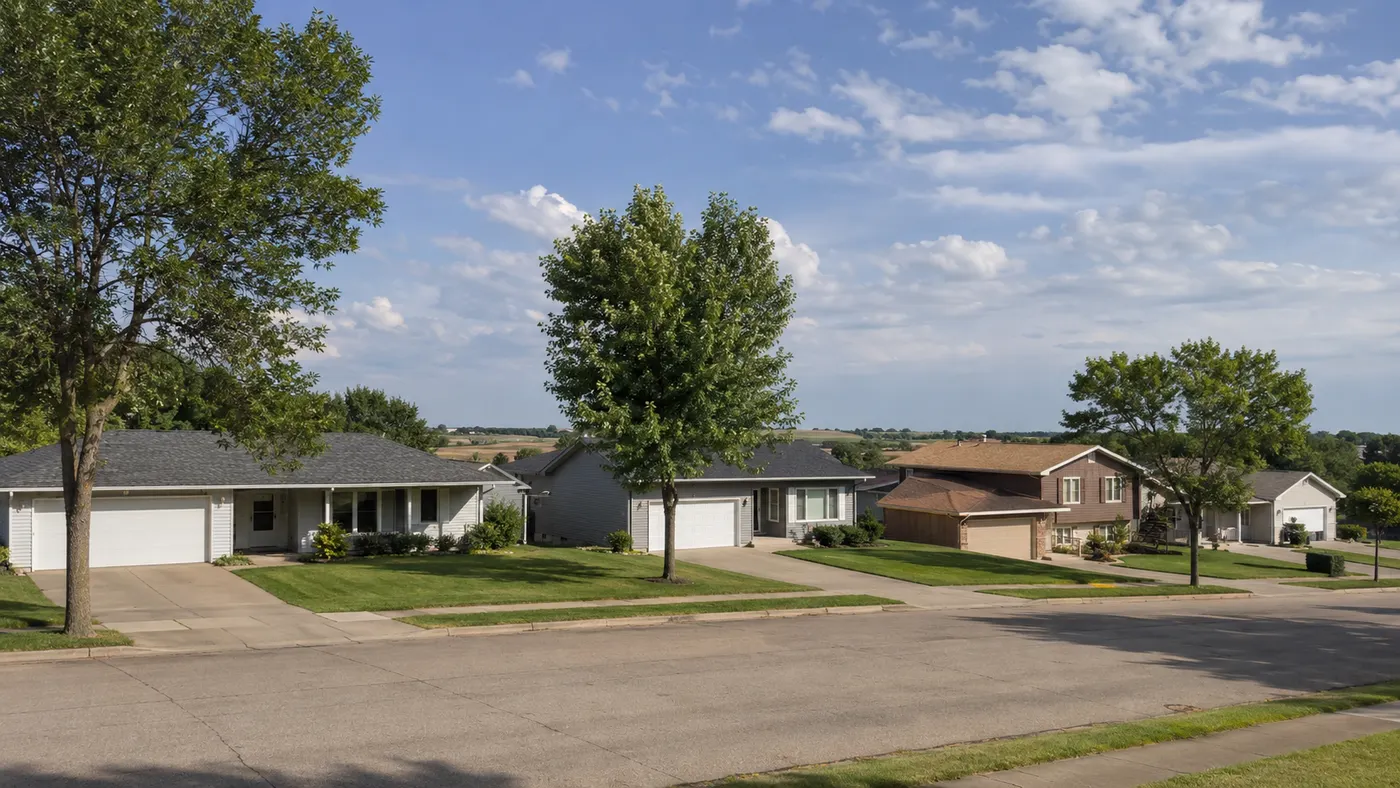
The soil doesn't care about the neighborhood. An older basement near McKennan Park and a new slab out in Harrisburg sit over the same Zone 1 glacial ground. Wherever you are on this map, the first step is the same: a proper radon test.
It's real. The EPA ties roughly 21,000 lung cancer deaths every year to radon and calls it the top cause of lung cancer in people who've never smoked. The risk builds over years of exposure, so there's no panic deadline. There's also no reason to keep breathing it.
Yes. The EPA puts the reduction range for these systems as high as 99 percent, with most homes ending up under 2 pCi/L. The follow-up test is how you know yours did.
National cost guides put most installs between $790 and $1,280, and SD DANR's state average is $1,200. Crawlspaces, multiple slabs, and finished basements push jobs toward the high end. Your quote will show why yours lands where it does.
Call for straight answers, or send the quote form and we'll get back to you fast.